

Thank you for Subscribing to Media Entertainment Business Review Weekly Brief

Lionsgate
Zoey Chang,Senior Manager
The Role of Broadcast Equipment in Transforming Media Experiences
Zoey Chang
Broadcast equipment revolutionizes media, enhancing global content delivery. Innovations in cameras, audio, and distribution shape immersive viewer experiences.
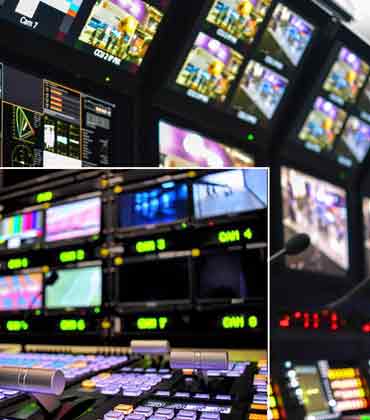
In the ever-evolving media and entertainment landscape, broadcast equipment plays a pivotal role in delivering high-quality content to global audiences. Advancements in this technology have transformed the television, radio, and online media experience and become instrumental in shaping the content creation and distribution processes.
The Significance of Broadcast Equipment
Broadcast equipment serves several critical functions at the core of the media entertainment industry. First and foremost, it empowers content creators with high-quality tools such as cameras, microphones, and production equipment, enabling them to craft compelling narratives and visually engaging content. This equipment facilitates seamless live broadcasting and allows the transmission of news, sports, and entertainment events in real time, captivating audiences on a global scale. Furthermore, it ensures that content reaches diverse distribution platforms, from traditional television networks to modern online streaming services. The technological advancements embedded in broadcast equipment enhance viewer experiences by creating immersive and interactive content.
Key Aspects of Broadcast Equipment
Camera technology stands out as a key aspect of the evolution of broadcast equipment. From high-definition to 4K and beyond, the continuous improvement in camera technology delivers stunning visuals that captivate viewers. Simultaneously, advancements in audio equipment capture high-fidelity soundscapes, intensifying the emotional connection between audiences and content. Robust broadcast servers and transmitters facilitate the smooth distribution of content across various platforms, while advanced editing and post-production tools enable seamless refinement and enhancement of content.
Impact on Content Creation and Distribution:
The impact of broadcast equipment on content creation and distribution is significant. High-quality equipment empowers content creators to engage in visual storytelling, leaving a lasting impact on audiences. Broadcast equipment allows live reporting of breaking news and events in real time, which enables instant coverage.
The technology also bridges geographical gaps, connecting global audiences and facilitating the sharing of cultural experiences and breaking news. Live events, such as sporting events, concerts, and award shows, are elevated to larger-than-life experiences through the capabilities of broadcast equipment, engaging fans globally.
Innovative Trends in Broadcast Equipment
The evolution of broadcast equipment is marked by innovative trends that further enhance viewer experiences. The integration of virtual and augmented reality technologies enriches storytelling and provides interactive content experiences. IP-based broadcasting solutions offer greater flexibility and scalability in content distribution, optimizing network resources. Cloud-based workflows simplify collaboration, content management, and storage, fostering efficient media workflows. The advent of 5G connectivity enhances remote broadcasting capabilities, enabling real-time transmissions from virtually anywhere.
Challenges and Future Outlook
While the future of broadcast equipment holds great promise, there are challenges to address. Content security and piracy prevention become critical concerns with the rise of online streaming and distribution. Effective bandwidth management and data storage solutions are essential to meet the demands of higher resolution and larger files. The industry must prioritize eco-friendly practices and energy-efficient equipment to address sustainability concerns. Additionally, advancements should focus on making content accessible to diverse audiences, including those with disabilities, ensuring inclusivity in the evolving media landscape.
The ever-evolving world of media and entertainment relies heavily on the transformative capabilities of broadcast equipment. From content creation to distribution, the significance of this technology is undeniable, shaping how individuals consume and experience multimedia content. As innovations continue to emerge, the future of broadcast equipment holds the promise of even more immersive and inclusive media experiences.
The articles from these contributors are based on their personal expertise and viewpoints, and do not necessarily reflect the opinions of their employers or affiliated organizations.
