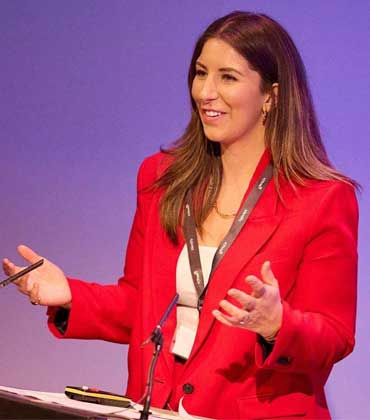
Karima Green
In July I took a two-week summer holiday, it was the first break I’d had in 2023 and a particularly busy year with plenty of personal and professional changes. As I slumped into my seat ready for the ten-hour flight, I felt the familiar feeling switching off my email, TEAMS and news notifications on my phone, the heavy head, sniffling, scratchy throat, exhaustion, heightened emotions. I was prepared for my usual reaction to the start of a holiday where my body and mind start to slow down, adrenaline reduces and illness creeps in, the burnout symptoms I’ve been avoiding catch up with me.
I recently read a study conducted this year exploring the rise among DEI professionals in burning out due to the challenges in the work. It found that while DEI professionals encounter higher levels of exhaustion than others, we also experience greater professional satisfaction, which I believe is strongly linked to individual purpose and motivation to make the world a better place. This suggests those who work in DEI often tread the line of finding their careers arduous and demanding but also rewarding, gratifying, and fulfilling, a dichotomy I am all too familiar with and one that is hard to walk away from.
Burnout is a term we are hearing much more, despite a greater focus on employee wellbeing with businesses investing in mental health support over the last few years, recognising its link to optimum performance. However, the specific support required for certain roles, such as DEI professionals often falls short. I don’t necessarily think this is out of design, but naivety to the very specific challenges those in DEI navigate daily such as bias, discrimination, difficult conversations, and frustration, all of which have an impact.
DEI work over the last few years has been harder than ever and the DEI role has evolved rapidly. We are advisors, project managers, data analysts, strategists, educators, coaches, therapists, crisis managers, communicators, policy makers, process breakers, moral compasses, amongst many other hats we wear. This ambiguity, expectation, and pressure to deliver high impact, intersectional, sustainable changes in organisations that previously haven’t operated this way, with competing priorities, limited capacity and often tiny budgets, inevitably contributes to the fatigue for those in the work.
Connection restores us, reinvigorates, and reassures that there will be better days, even when you might be struggling to see it
I’ve noticed within my discipline that we as DEI Professionals don’t talk about what we need enough. We are conditioned to be taking care of everyone else and rarely reaching for support and in extreme cases, fearing to ask for help when our roles can be made to feel disposable. I was once told by a Leader that experiencing emotional trauma daily was part and parcel of my role regardless of the impact it was having on me personally. The support I asked for didn’t materialise, and I left that business shortly afterwards.
So, can burnout be avoided? In my opinion, with work that is so emotionally labour intensive there will always be dark days but with the right support, environment, relationships and techniques to navigate, it can be alleviated. Here’s some things I have learnt in my tenure.
1. Be prepared to set out boundaries with yourself.
As a DEI Leader, you are expected to be the oracle on every aspect of DEI which is unrealistic and also expected to lead the charge for every issue. You can’t be an expert in every person’s lived experience. Acknowledging that there are topics that I don’t feel totally confident discussing is important – I consider it my responsibility to create environments where people feel safe and understood through engaging with the niche specialists whilst protecting yourself in the process. I also now take more time to identify the areas that I know I will make an impact leading on, or simply taking a supporting role, and amplifying voices.
2. Build a network around you of other DEI professionals.
This one is key. So often DEI teams are small, many are individuals. We face unique challenges in our roles that involve a great deal of discretion and confidentiality. Having a network around you means you engage with people who know what you are going through. One of my closest friends is also a DEI practitioner, we understand each other in a way many others in our lives can’t, and that solidarity is sustaining. Connection restores us, reinvigorates, and reassures that there will be better days, even when you might be struggling to see it.
3. Explore therapy and feel no shame in asking for it.
This was a game changer for me personally. This role requires high emotional intelligence, with traits such as empathy and compassion being used daily. Consistently experiencing others emotional response can have a detrimental impact on your own mental health, you effectively become a sponge for trauma. It’s also worth noting the issues we address as DEI professionals in the workplace, are often the same issues we face personally. A few years ago, I started experiencing insomnia triggered by anxiety and stress and my doctor suggested I try therapy. The opportunity to talk to someone subjectively and learn coping mechanisms helped. It also allowed me the freedom to recognise what is in my direct power to change and find techniques to be at peace with things I can’t. There are lots of options available when it comes to therapy, and always worth checking with your employer to see what is covered by your employee assistance provision. Be open to discussing your needs with your support systems at work, in my career this hasn’t always been easy – but I’ve found internal relationships with your manager or peer where this conversation can happen without feeling judged is critical.
4. Find something just for you.
We all see the #selfcare showing up on socials and carving time out for yourself is important. Learning to regulate your own nervous system that can be triggered in this work shifts your body out of fight or flight mode. I often find myself reading the news the moment I wake up and before I go to sleep to prepare myself for external events we may need to respond to. This constant high alert behaviour can result in feeling overwhelmed and fatigued, so I like to do an activity like walking or swimming which gives me time alone to switch off, unplug, and rest my brain.
DEI isn’t going anywhere. In fact, there is more focus and demand to create equitable workplaces than ever. But with the demand, there also needs to be support systems in place to ensure the longevity of the engagements of those involved to not interrupt the progress made. And whilst DEI professionals need to be cognizant about their role in managing burnout, the organisations we work for should acknowledge, support and advocate for the support of these roles to make lasting impact together.