

Thank you for Subscribing to Media Entertainment Business Review Weekly Brief

Diagonal Media // DGNL
Leslie Cunningham, Head of Branded Content
How Documentary Storytelling Creates Meaningful Audience Connections
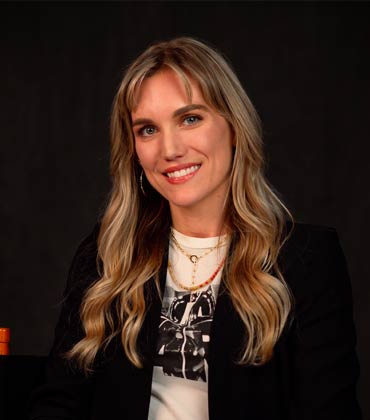
Leslie Cunningham
True stories are a key part of human evolution.
At the back of our minds, we remember that cave painting. The one that told us not to eat the spiky berries. Those of us who listened and survived held on to that information and passed it down to future generations (you). Now, instead of learning which berries to avoid or how to make fire, we want to know: • What do 10,000 steps a day really do for me? • What’s the deal with microplastics, and should I care? • Do I need eight hours of sleep, and what will happen if I never get it? In an effort to survive, thrive and avoid making the same mistakes twice, our curiosity is more than entertainment. It is hardwired self-preservation. Don’t believe me? Check out the works of Lisa Cron (Story or Die, Wired for Story, Story Genius) or Jonathan Gottschall (The Storytelling Animal). Early in my career as a director and producer of branded content, I made the mistake of pitching brands on nonfiction stories about what they make and how they work. And then I realized... That is incredibly boring. Even worse, it’s forgettable. What I should have done, and what I do now, is focus my stories not on what these brands do or make, but on why they exist. That why resonates with an audience’s evolutionary need to survive, thrive and, dare I say, grow far more than what a brand makes or how it operates ever could. This is because people care about the problem you’re trying to solve, not the product you’re trying to sell. At most companies, if you search hard enough, you can find a mission and vision statement. It is typically somewhere in the first five pages of the employee handbook or buried deep within the company website. Companies, like all of us, get caught up in the day-to-day demands of production. They focus on ensuring products meet KPIs, OKRs and ROIs so they don’t go MIA. . But products are not the purpose. My point? Most companies don’t exist solely to make and sell a product. They exist because someone, somewhere, wanted to solve a much bigger problem. • “To create a better everyday life for the many people.” IKEA • “To make it easier for everyone – families and adventure seekers alike – to get outside together.” L.L.Bean • “To make life easier, better and safer for everyone.” Volvo • “To save people money so they can live better.” Walmart Did you notice any mention of furniture, boots, cars or products? Of course not! That’s because these companies aim to solve a problem, not simply sell a product. The purpose of a branded documentary is to show us why we, the descendants of the cave dwellers who avoided the spiky berries and learned how to make fire, should care about that problem too. And THAT is what effective branded documentaries explore. So, what does all of this look like in practice? Thank you for asking. Here are a few examples of brands that did this exceptionally well: • Instead of showing us how they make clothes, Patagonia reminded us that we are programmed to participate in consumerism, but its clothing aims to challenge the overproduction and overconsumption damaging our planet in The Shitthropocene. • Heineken took us to Kilteely, Ireland, and introduced us to 26 residents who refused to let the last pub in town close, reminding us why community matters in The Pub That Refused to Die. • In an eye-opening retelling, Johnson & Johnson commissioned 5B to share the story of the nurses and caregivers who created the first AIDS inpatient unit in San Francisco in 1983. When a brand is willing to peel back the curtain, risk ruffling some feathers and connect the viewer to the problem it is trying to solve, it can gain attention, deepen connections and re-center the narrative around its purpose. Don’t tell your audience what you make. Show them why you started making it in the first place.The articles from these contributors are based on their personal expertise and viewpoints, and do not necessarily reflect the opinions of their employers or affiliated organizations.
