A featured contribution from Leadership Perspectives: a curated forum reserved for leaders nominated by our subscribers and vetted by our Media and Entertainment Business Review Advisory Board.

The E.W. Scripps Company

Patrick Magee, Director, Audio Post-Production/Scripps Networks

All For One And One For All
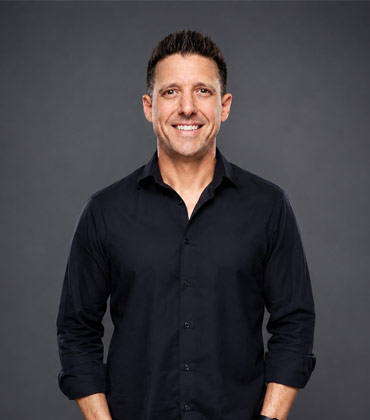
Patrick Magee

Patrick Magee

Audio Innovation Authority

Thriving in the Evolving World of Audio Post-Production

The world of audio post-production is complicated and demands a lot from you—it takes technical know-how, creativity, and some solid problem-solving skills. For a lot of us in the industry, juggling different roles isn’t just a nice-to-have, it’s a must. Whether you're working on films, TV shows, video games, or ads, we often wear many hats like sound designer, dialogue editor, re-recording mixer, foley artist, and sometimes even composer. Picking up a bunch of different skills can be super fulfilling, but it can also be a handful, taking a lot more of our time and dedication.

Audio post-production has always had specific specialists for different tasks, and that still holds true for big projects. But with tighter budgets, smaller teams, and new tech, a lot of audio engineers and sound designers are expected to take on several jobs. This shift has brought about the hybrid audio pro—someone who’s got skills in a bunch of post-production areas.

Thanks to digital audio and powerful plug-ins, we can tackle tasks that used to need whole teams. It’s easier than ever to learn new skills both in your own field and those around you. And you should. It enhances communication and allows you to understand those professionals you work alongside.

One advantage of mastering multiple roles in audio postproduction is that it makes you way more employable. If you can handle dialogue editing, sound design, composing music, and mixing final tracks, you’re way more valuable than someone who just focuses on one thing. I’ve found that over my career, it is becoming more of an expectation that a “nice to have” for clients and companies. The industry has changed, and we all have to adapt along with it, find as many positives as we can, and run with it.

Being able to handle multiple roles in audio post-production can be tough but also a great opportunity.

Audio post-production is always changing with fresh tools, techniques, and trends. If you can roll with the punches, look at the positives and take on different roles, you’ll stay competitive. By building a broad skill set, you can shift between projects easily, whether it's a feature film, a documentary, a video game, custom music or a commercial. There are positives in all our professional experiences and skillsets we acquire over the years. There will always be areas that you are better at than others, and skills you can hyper focus on, but we all need to take an interest in expanding our capabilities. I have an inquiring mind in general. I like to try and figure out what makes things work and how others work. I find it helps my communication with peers in this industry.

One of the biggest hurdles of juggling various roles is managing your time. Every part of audio post-production needs your focus and can really eat up your time quickly each day. Balancing sound design, dialogue editing, custom music, and mixing with tight deadlines can lead to burnout if you don’t keep it in check. It takes years of practice to master every piece of audio post-production, and trying to be great at everything at once can result in subpar work if you are not careful. It’s super important to know your strengths and weaknesses while always looking to learn and improve and reach out to those that are far more experienced in each area of production often. Building a team of professionals around you that you can sub-contract work out to or spend time learning from and sharing is extremely important. Get involved in message boards, go to events, and or try to connect with your peers in the industry however you can. Especially now with AI and all its capabilities, we need to understand those capabilities and find tools and resources we can use and take advantage of.

Being able to handle multiple roles in audio post-production can be tough but also a great opportunity. It calls for dedication, flexibility, and a drive for excellence. Keep yourselves mentally and physically strong. Take time to decompress when overwhelmed and know that things take time. As you dedicate yourselves to adapting and growing with this industry, you will develop a personal satisfaction with the effort you put in. It is all about the journey. 1 step at a time.

The articles from these contributors are based on their personal expertise and viewpoints, and do not necessarily reflect the opinions of their employers or affiliated organizations.